

art is conversation
my social media assignment!!

There has been a lot of news about art in Bristol in recent months. With the iconic Bristol-based artist Banksy’s identity being revealed and Upfest 2026 getting underway by unveiling 3 new murals in Cabot Circus, it has sparked many reports on the importance of street art and why it matters so much. Here’s my take.
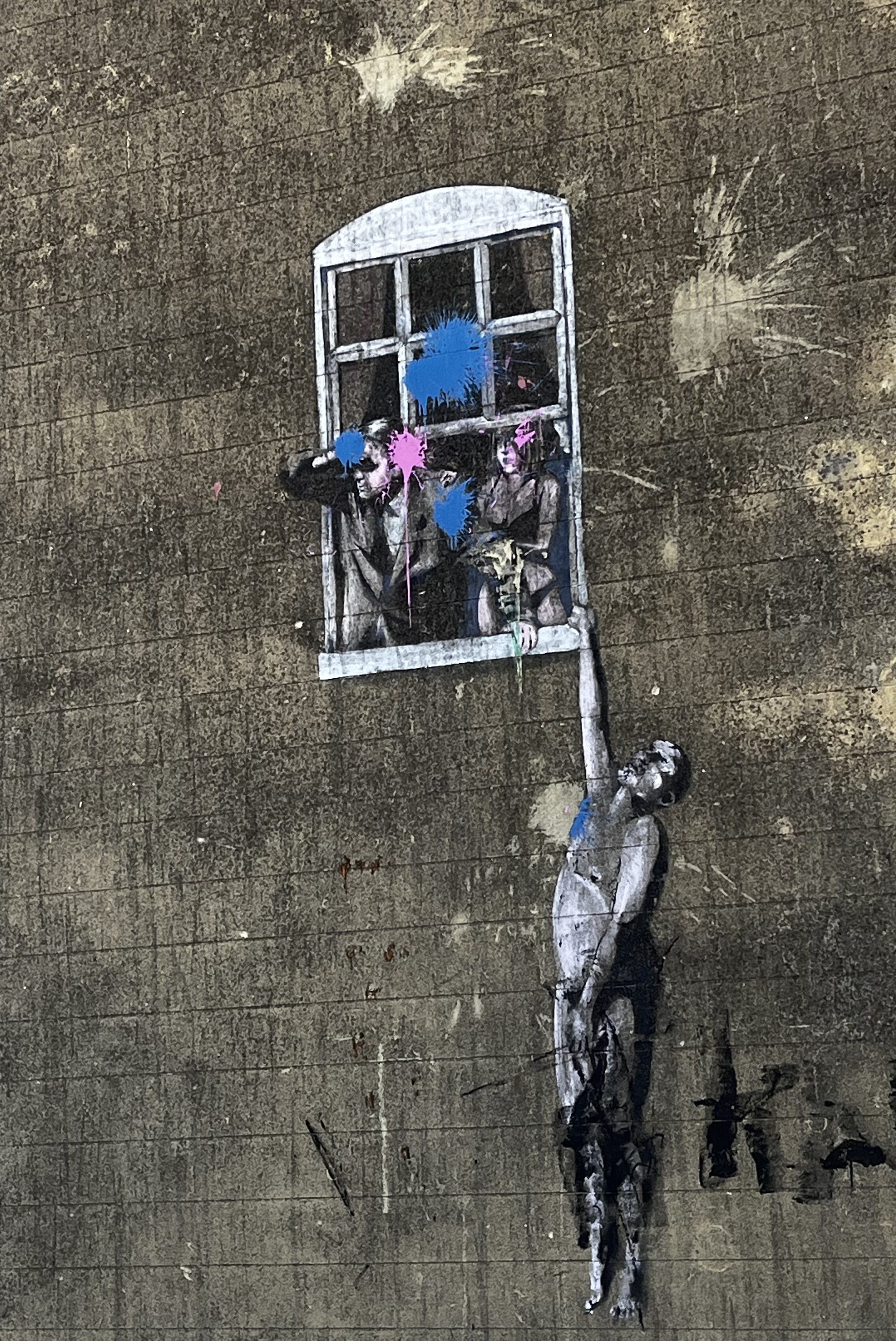
Firstly, why Bristol?
Last year, Bristol was named one of the top 50 destinations in Lonely Planet’s Travel 2026 for its street art. Throughout the 1980s and 1990s, Bristol developed a unique and creative atmosphere which shaped it into a post-industrial and activist underground. Music, graffiti, fashion, skate culture and political expression all presented themselves in harmony in the underground world of Bristol.
Art became public. With the walls being notebooks, slogans being watermarks, and for many people, art became a conversation. Banksy colonised on this and is now the world-famous artist to this day, taking Bristol’s effect with him to London, the USA and France.
Being recognisable to anyone is the gateway to heaven (or, in this instance, fame). Because accessibility matters and creating art to drive change and destroy silence is important. For many people, art galleries have become disconnected from humanity and reality, focusing on profit rather than community. Street art focuses on the feelings of the audience they’re targeting. It destroys barriers and forces people to face political issues in public spaces.
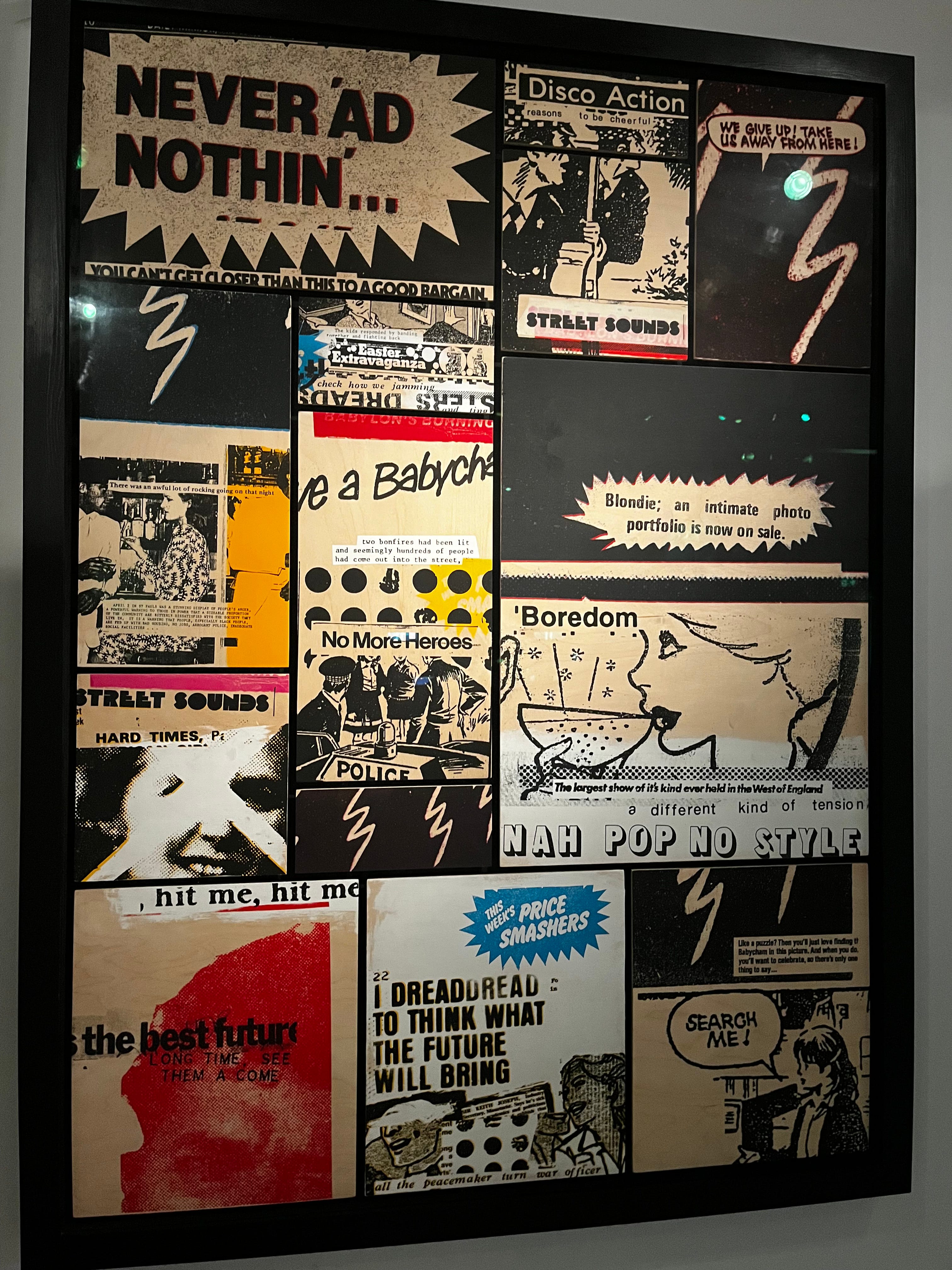
Banksy’s identity being revealed counters that. Street art was never for celebrity, and by Banksy’s identity being unknown, it separated the work from the individual. While the anonymity was important for protection at first, it became symbolic. It critiques the idea that every artist should become a personality brand or be famous in some way. The more people tried to identify Banksy, the more it reinforced the idea that he has to be known as a spectacle or celebrity.
Why does it matter?
Bristol and Banksy keep street art and culture socially and politically relevant. Sadly, many aspects of street culture have become romanticised and commercialised. Advertising campaigns, brands and fashion have aestheticised street culture, turning rebellion and protest into products.
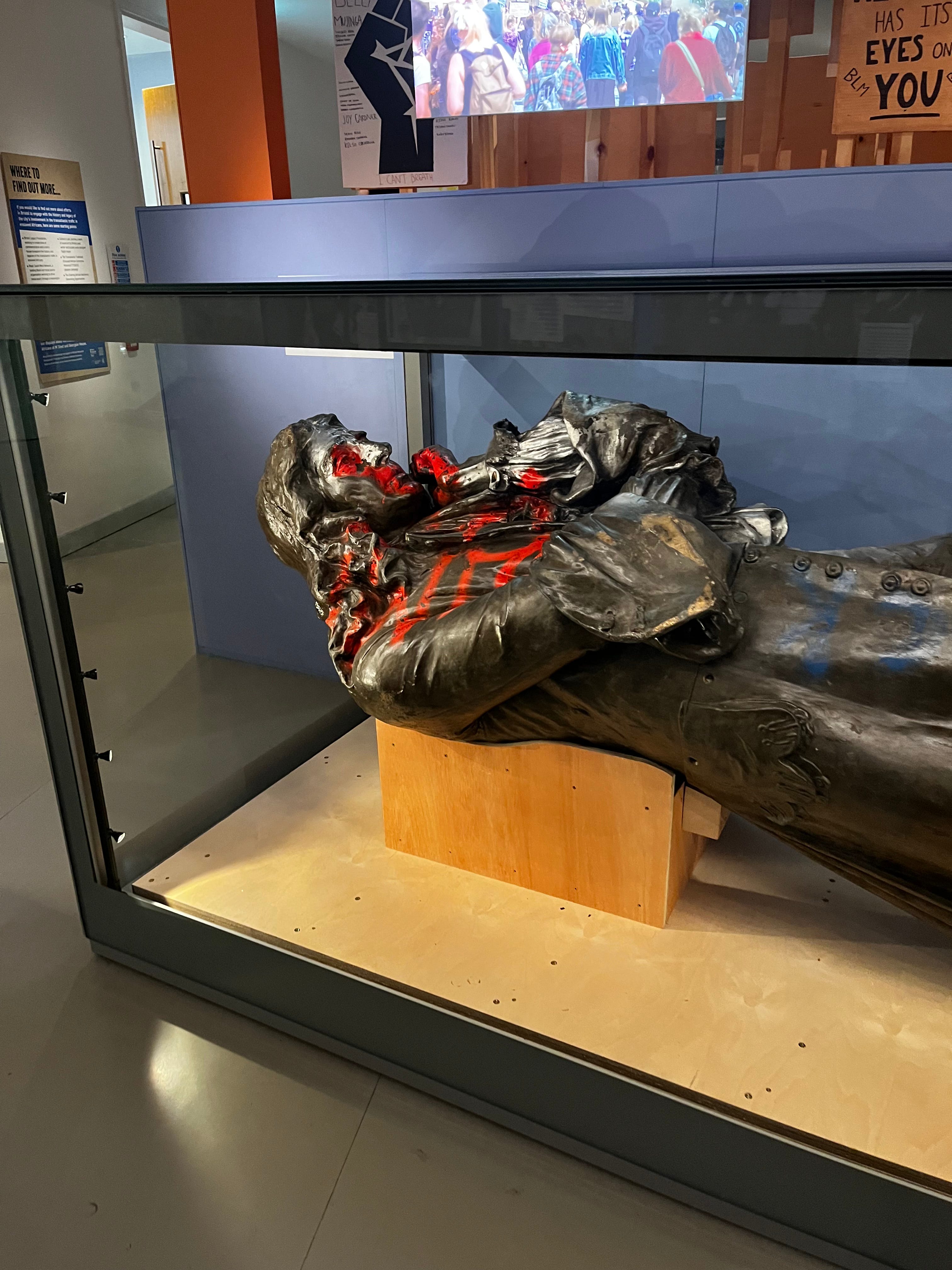
Bristol’s street art continues to question authority, expose inequality and give visibility to ignored voices, creating local identity and community.
Whether Banksy’s identity has been confirmed, it shows that the art is not just in the individual but also in the social consciousness and underground influence.